
Field note
Best code-your-own system
The Farmer Was Replaced makes typed drone scripts the automation layer, with debugging as the game rather than a hidden setup chore.
Mechanic guide
Incremental games where automation is a design system, not a temporary convenience.
Strong automation lets you design a process and move on to a higher-level problem. We favor persistent rules, priorities and production chains over one-click purchase-all buttons.
Field note
The Farmer Was Replaced makes typed drone scripts the automation layer, with debugging as the game rather than a hidden setup chore.
Field note
The Perfect Tower II gives automation its own progression and engineering problems.
Choose the work you want to automate
These games make different promises. One asks you to solve farming with code, one turns a growing town into an automation workshop, and one lets combat run while you plan the next ship build. Pick the problem you want to return to.
Writing the automation yourself
Type Python-like instructions for a drone, then watch it plant, harvest and gather the resources that unlock the next task. The puzzle is making your own program handle work you once had to repeat.
The catch: This is a paid programming game. Its tutorials introduce the tools, but solving the later tasks is your job; skip it if debugging sounds like a chore rather than the reward.
Building an automation workshop
Tower runs feed a town of buildings and resources, while simple commands for the Factory AI retire jobs you have learned to manage. Choose it when discovering and configuring each new subsystem sounds better than writing a whole farm script.
The catch: The free entry hides a steep learning curve across its modules, and Steam lists in-app purchases. It is a poor fit if you want tower defense with no setup between runs.
Planning a long-running build
Combat advances automatically, but weapons, defenses, research and other ship systems give you reasons to return and retune the next push. Pick it for a long optimization account rather than a coding puzzle.
The catch: It remains in Early Access, with in-app purchases and long progression walls. Skip it if you need a finished campaign or a fresh breakthrough every short session.
The shortlist

$9.99 · 2025
A programming incremental where Python-like drone scripts turn planting and harvesting into a farm you can debug and optimize.
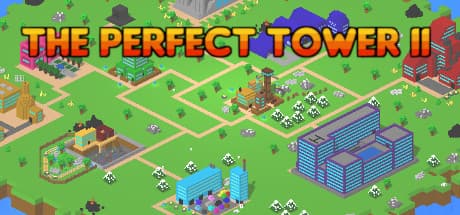
Free · 2021
Tower defense runs feed a town-sized web of factories, research and automation projects.

$11.99 · 2025
An active incremental about combining spells, crafting chains and compact automation puzzles.
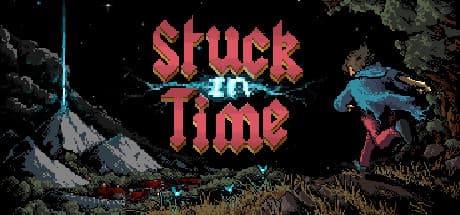
$7.99 · 2021
A time-loop idler where you program movement, fights and interactions, then refine repeated routes toward a story ending.

Free · 2023
A systems-heavy space incremental about ship loadouts, resource loops and very long progression arcs.
Free · 2017
A deep faction-based incremental where alignment and build choices reshape each run.

Free · 2022
A compact numbers game whose resets repeatedly rewrite the rules of production.
Free · 2020
A playful active-idle game that turns blowing leaves into escalating worlds and currencies.
$4.99 · 2024
A menu-driven town economy where workers, recipes and regional trade turn factory planning into a living spreadsheet.

$3.99 · 2021
A survival-clock incremental where each generation teaches skills that make the next route faster; the Early Access story remains unfinished.
Decision matrix
Route design, loops, functions, collections and resource priorities create genuine optimization work. The catch is that inefficient scripts can still unlock much of the game, reducing the pressure to master the richer tools.
noneNone$9.99Tower modules, factory chains and automation scripts offer several independent optimization problems with different time horizons.
partialVery deepFreeSpell loadouts, crafting dependencies and limited interface space turn automation into a planning puzzle.
noneDeep$11.99Path order, combat and interaction choices matter, but the growing command list makes late revisions and route inspection more cumbersome than the underlying puzzle deserves.
noneLight$7.99Loadouts, research priorities and parallel resource allocation create one of the densest planning surfaces in the current Steam incremental field.
fullVery deepFreeAlignment, faction choice, spell timing and upgrade combinations make it one of the most build-dependent classic incrementals.
partialVery deepFreeEarly choices are simple; later play asks for challenge routing, upgrade order, study configurations and reset timing across several interacting layers.
fullVery deepFreeThe main decisions shift from movement and purchasing into resource conversion, equipment priorities and selecting the next permanent progression target.
fullDeepFreeChoose worker counts, production limits, priorities and trade flows by reading the bottleneck stats. The planning is substantial, although current players say those stats and menus are not always explained clearly.
partialNone$4.99Plan which food, construction and exploration actions fit before the health clock wins; set action priorities once a route is familiar. The strategic room narrows when a long stretch is already automated.
partialModerate$3.99Before you choose
Prices and Steam Deck support can change. Open a game profile for its full verdict, dated player-review snapshot and direct links to the current Steam page.
Open the game finder →