
Interlocking buildcraft, constant retuning and an extraordinary amount of long-form progression.
Game review · updated 2026-09-16
Unnamed Space Idle
A systems-heavy space incremental about ship loadouts, resource loops and very long progression arcs.

The short verdict
Ideal for optimizers who want many parallel systems and months of goals.
Marathon walls and paid time skips make it a poor pick for friction-free free-to-play progression.
- US price
- Free to play
- Offline progress
- full
- Steam Deck
- playable · Valve classification
- Prestige depth
- Automation depth
- Ending
- Open-ended
Editorial review
What players love, what breaks the spell and who should actually play it.
Unnamed Space Idle turns ship loadouts into a bottomless optimization puzzle, but marathon walls and paid time skips make its free price less frictionless than it sounds.
Unnamed Space Idle is what happens when a ship-loadout screen eats an incremental game. Weapons, shields, reactors, crew, shards, research and more all compete for limited capacity, so progress is less about buying the obvious upgrade and more about deciding which stat matters right now. The best moments come from retuning the whole ship for one wall, watching the build break through, then rebuilding for the next target.
Current English Steam recommendations keep praising how each unlocked system gives veterans a fresh build problem, while recurring complaints describe long waits, plain presentation and a shop selling time skips. The criticism isn't that optimization vanishes; it's that a smart retune can still end at another real-time wall. We recommend it to players happy to make one intricate save their long-term side game, not to anyone seeking a compact campaign or a clean free-to-play pace. Its depth is real, and so is the grind that the shop can monetize.
The marathon pacing, plain presentation and purchasable time skips can make the grind feel engineered.
Idle-game veterans who enjoy spreadsheets, specialization and keeping one save alive for a very long time.
You want a compact campaign, strong audiovisual flavor or friction-free free-to-play design.
92% positiveVery Positive · 2,954 English-language Steam reviews · checked September 16, 2026
Read player reviews on Steam Steam evidence · 12 Oct 2026
What players are saying now.
English reviews, all purchase types. Daily source check; the editorial verdict above has its own review date.
Compare the daily Steam charts →- Positive overall
- 92% of 2,992 reviews
- Last 30 days
- 89%46 reviews · small samples can swing
- New positive reviews
- 5in the last seven days
System analysis
What playing it actually asks of you
See the core loop, the meaningful choices and the kind of session this game rewards.
Core loop
A configurable ship fights through space while multiple resources fund weapons, defenses, research and support systems that develop at different speeds.
Progression shape
The game stacks long-lived systems and reset layers without discarding earlier planning. Ship builds and resource priorities remain relevant across a long campaign.
What happens when you return
Substantial offline progress rewards time away, but efficient returns involve reviewing several bottlenecks rather than pressing one universal upgrade button.
Decision depth
Loadouts, research priorities and parallel resource allocation create one of the densest planning surfaces in the current Steam incremental field.
Best session pattern
Designed for a months-long side game: brief collection sessions work, but occasional deeper optimization sessions deliver most of its appeal.
Check the receipts
Steam can change after our last check.
Valve lists this title as Steam Deck Playable; individual compatibility notes may still apply. Price, availability and player sentiment can move, so use the live links before buying.
Continue exploring
Games with overlapping systems
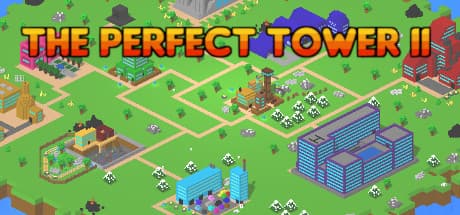
Free · 2021
The Perfect Tower II
Tower defense runs feed a town-sized web of factories, research and automation projects.
- Offline
- partial
- Prestige
- Very deep
- Automation
- Very deep
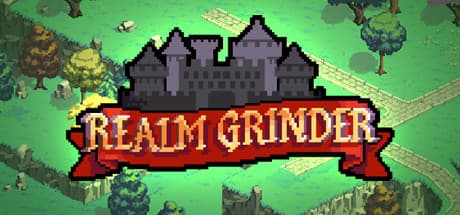
Free · 2017
Realm Grinder
A deep faction-based incremental where alignment and build choices reshape each run.
- Offline
- partial
- Prestige
- Very deep
- Automation
- Very deep

Free · 2019
NGU IDLE
A maximalist idle RPG with equipment, bosses, rebirths and an enormous sequence of new systems.
- Offline
- partial
- Prestige
- Very deep
- Automation
- Deep