
Real typed farm scripts, immediate visual feedback, flexible solutions and satisfying moments when a cleaner algorithm replaces manual work.
Game review · updated 2026-09-22
The Farmer Was Replaced
A programming incremental where Python-like drone scripts turn planting and harvesting into a farm you can debug and optimize.

The short verdict
Choose it when writing the automation is the reward: each new command can replace another patch of manual farm work with a cleaner script.
Thin teaching examples, a limited editor and weak pressure to optimize make the learning curve uneven and the late resource grind repetitive.
- US price
- $9.99 US list price; temporary discounts may apply
- Offline progress
- none
- Steam Deck
- playable · Valve classification
- Prestige depth
- Automation depth
- Ending
- Open-ended
Editorial review
What players love, what breaks the spell and who should actually play it.
The Farmer Was Replaced turns typed Python-like scripts into an addictive farm-automation incremental, but thin teaching and shallow efficiency demands leave its smartest tools underused.
The satisfying part is not buying an auto-harvester; it is writing one. You give a drone movement, planting and harvesting instructions, watch the routine fail in the field, then replace the clumsy patch with loops, functions and data structures that can handle the next crop or maze. Resources unlock more commands and a larger problem space, so a cleaner script produces the same dopamine as a strong build in a conventional incremental. Current English Steam recommendations repeatedly praise that visible cause and effect, the freedom to solve tasks in different ways and the rare pleasure of making real typed code carry the grind.
The game is less convincing as either a course or a deep programming sandbox. Current English complaints repeatedly say its documentation introduces syntax without enough useful farm examples, while the built-in editor and debugger lack conveniences experienced programmers expect. More importantly, inefficient code can still clear much of the technology tree, so late progress can become resource accumulation without a demanding new optimization problem. At the $9.99 US list price, we recommend it to curious beginners and programmers who genuinely enjoy debugging for fun. Skip it if you need a structured Python course, a full-featured coding environment, strong progress after closing the game or an endgame that forces elegant solutions.
Sparse teaching examples, limited editor and debugging tools, weak penalties for inefficient code and repetitive late resource accumulation.
Curious beginners and experienced programmers who want a playful reason to write, debug and optimize Python-like automation.
You want a guided coding course, a deep unrestricted language sandbox, closed-game progress or an endgame that demands efficient code.
96% positiveOverwhelmingly Positive · 4,360 English-language Steam reviews · checked September 22, 2026
Read player reviews on Steam Steam evidence · 12 Oct 2026
What players are saying now.
English reviews, all purchase types. Daily source check; the editorial verdict above has its own review date.
Compare the daily Steam charts →- Positive overall
- 96% of 4,479 reviews
- Last 30 days
- 95%258 reviews · small samples can swing
- New positive reviews
- 40in the last seven days
System analysis
What playing it actually asks of you
See the core loop, the meaningful choices and the kind of session this game rewards.
Core loop
Write Python-like instructions for a drone, run the script across the field, collect its crops and spend those resources on more space, commands and farming technology.
Progression shape
A technology tree introduces language features and new farm problems instead of a prestige reset. Progress comes from replacing crude movement and harvesting routines with code that handles a larger, more complicated field.
Does it progress while closed?
The Steam store makes no closed-game progress promise. The drone automates work while the program is running, but useful advancement still depends on writing, testing and revising code, so this is a programming game with an incremental economy rather than a set-and-forget idler.
Decision depth
Route design, loops, functions, collections and resource priorities create genuine optimization work. The catch is that inefficient scripts can still unlock much of the game, reducing the pressure to master the richer tools.
Best session pattern
Best in focused desk sessions where debugging is the activity, with open-game runs between edits. It is a poor fit for players who want progress to continue after closing the game or automation to remove the need to think about the process.
Check the receipts
Steam can change after our last check.
Valve lists this title as Steam Deck Playable; individual compatibility notes may still apply. Price, availability and player sentiment can move, so use the live links before buying.
Continue exploring
Games with overlapping systems
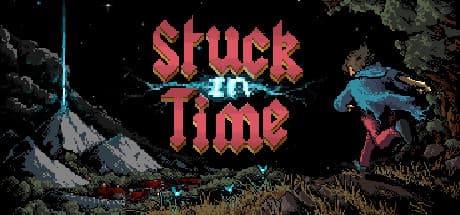
$7.99 · 2021
Stuck In Time
A time-loop idler where you program movement, fights and interactions, then refine repeated routes toward a story ending.
- Offline
- none
- Prestige
- Light
- Automation
- Deep
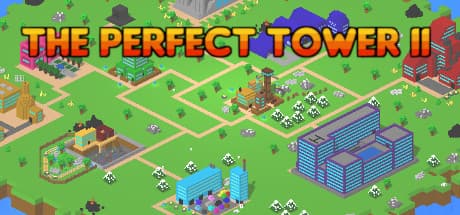
Free · 2021
The Perfect Tower II
Tower defense runs feed a town-sized web of factories, research and automation projects.
- Offline
- partial
- Prestige
- Very deep
- Automation
- Very deep

$11.99 · 2025
Orb of Creation
An active incremental about combining spells, crafting chains and compact automation puzzles.
- Offline
- none
- Prestige
- Deep
- Automation
- Very deep